
SHOP BY CATEGORY
Abrasives and surface prep
Sandpaper, discs, pads and fillers for grinding, sanding and surface preparation — shipped Australia-wide, same-day dispatch in SEQ.
-
-
-
-
-
-
-
-
-
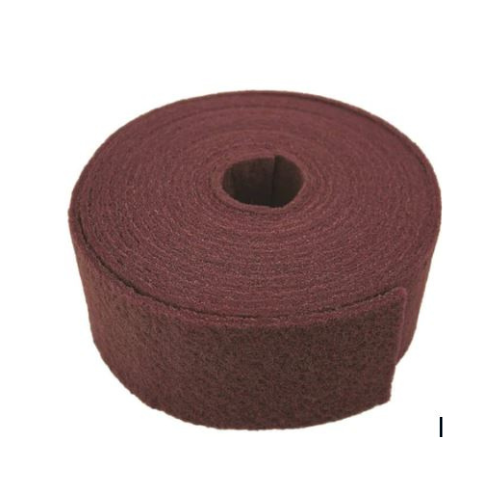 Choose optionsIron Link Distributors
NRL Scotchbrite Roll 115mm x 10m - Flexible Abrasive Sanding Roll (Grey, Green, Maroon)
$67.92 -
 Choose options
-
 Choose options
Common questions
Which sandpaper grit do I use at each stage?
Grit follows the stage, and you step through them — don't jump from very coarse to fine or the deep scratches telegraph through your finish. As a guide: 40–80 grit to strip old paint/rust and rough-shape body filler; 120–180 grit to refine the shape and feather edges (blend filler into the panel); 240–320 grit to prep the repair for primer; 400–600 grit to sand the primer itself; and 1500 grit and finer for wet-sanding the final finish. Skipping grades (e.g. 80 straight to 320) leaves scratches that show through paint — always work up through the sequence.
Flap disc vs fibre disc vs Scotch-Brite — when do I use each?
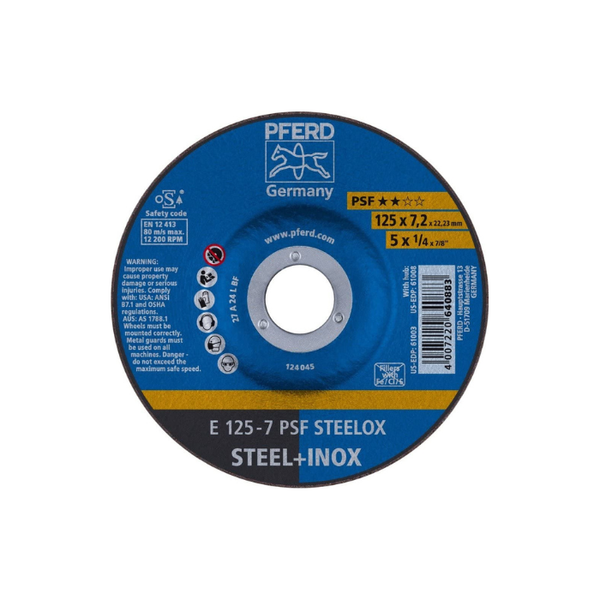
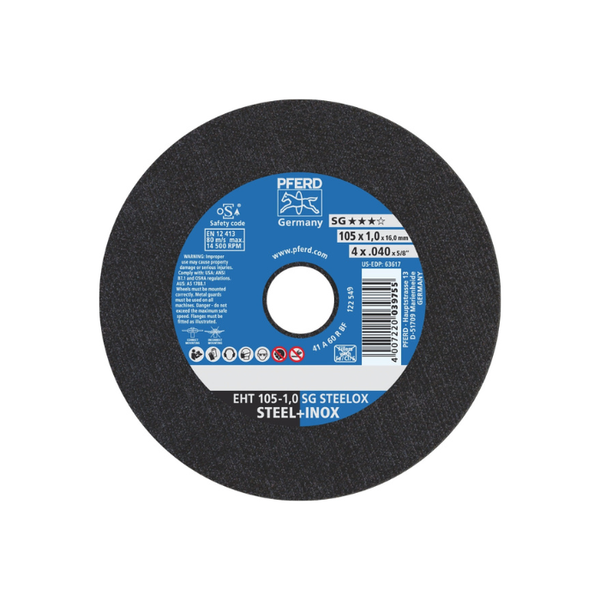
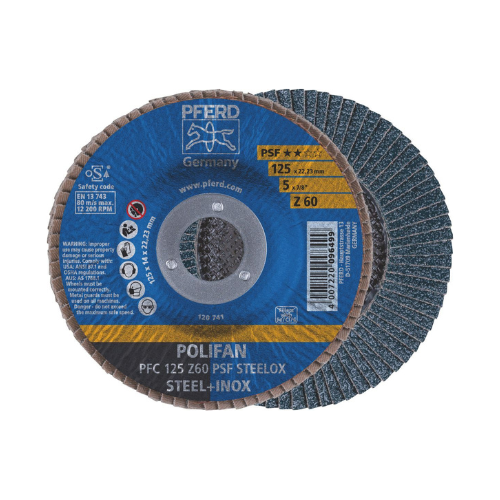
They suit different stages and aggressiveness. Resin fibre discs (on a backing pad) are aggressive — fast stock removal, weld grinding, paint and rust stripping. Flap discs are a blend of grinding and finishing — they remove material but leave a smoother, more controllable finish than a fibre disc, good for blending welds and edge work. Scotch-Brite / non-woven surface-conditioning discs and pads are for the gentle end — cleaning, scuffing, deburring, and keying a surface for coating without gouging it. Rough to fine: fibre disc → flap disc → Scotch-Brite.
How do I use body filler (bog) properly?
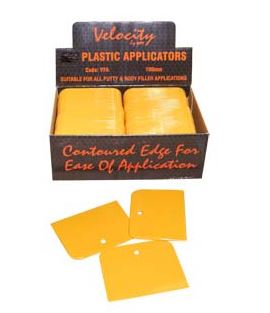
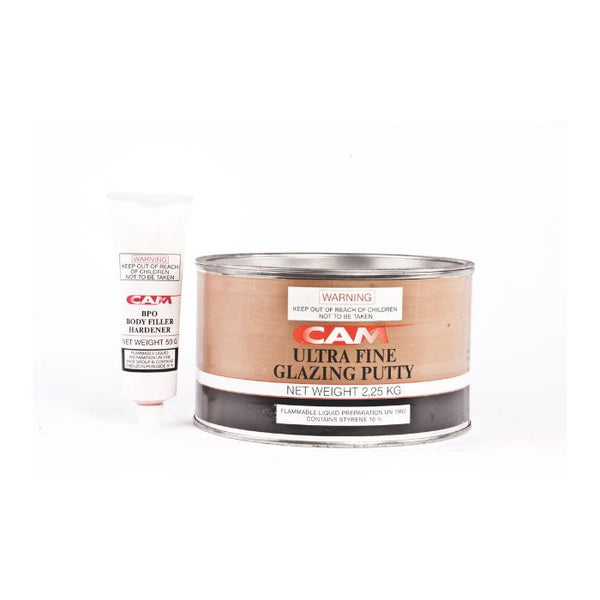
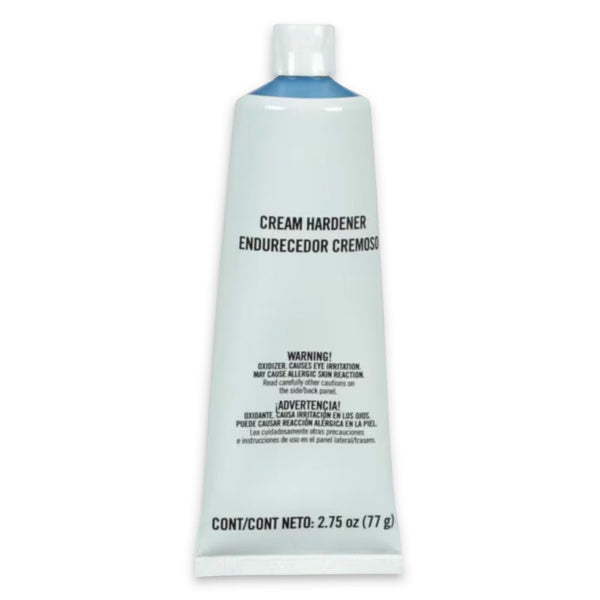
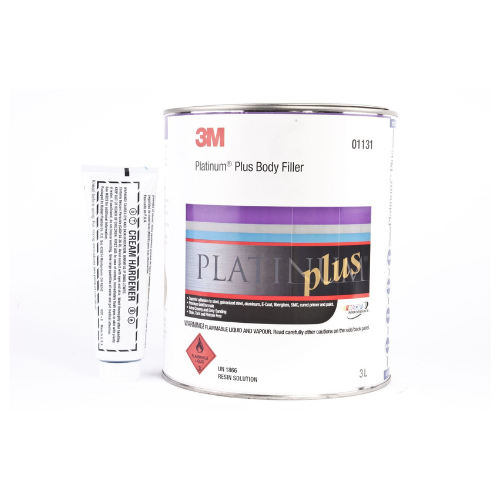
Body filler is a two-part polyester paste mixed with a cream hardener. Sand the repair area back to bare, sound substrate first — filler won't bond reliably over old paint or a glazed surface. Mix only what you'll use within the working time, following the product's filler-to-hardener ratio (too much hardener cures too fast and can bleed; too little may not fully cure). Apply in thin layers, let it fully cure, then shape with 80 grit, refine and feather with 120–180, and finish with 320 before primer. Use a sanding block (not just your hand) to keep it flat and avoid low spots. Check the product's data sheet for the exact mix ratio and cure time.
What surface prep does a coating or paint actually need to stick?
Adhesion is mostly won or lost at prep. The surface needs to be clean, sound, and keyed: remove dirt, rust, loose or failing coating, and any wax/grease or contaminant (a solvent or wax-and-grease wipe before sanding, not after), then abrade to give the coating a mechanical key — a scratch pattern the primer or paint can grip. Too smooth and the coating can peel; too coarse and the scratches show through. Match the abrasive to the substrate and the coating's data sheet (e.g. primers often want a 240–320 key), and always check the coating manufacturer's stated prep requirements — they're specific and they're what the warranty depends on.