
 Choose options
SHOP BY CATEGORY
Safety and PPE
Respirators, gloves, eye and hearing protection for spray, sanding and chemical work.
-
 Choose options
-
-
-
-
-
-
-
 Choose options
-
 Choose options
-
-
 Choose options
-
-
-
-
-
-
-
 Choose options
-
 Choose options
-
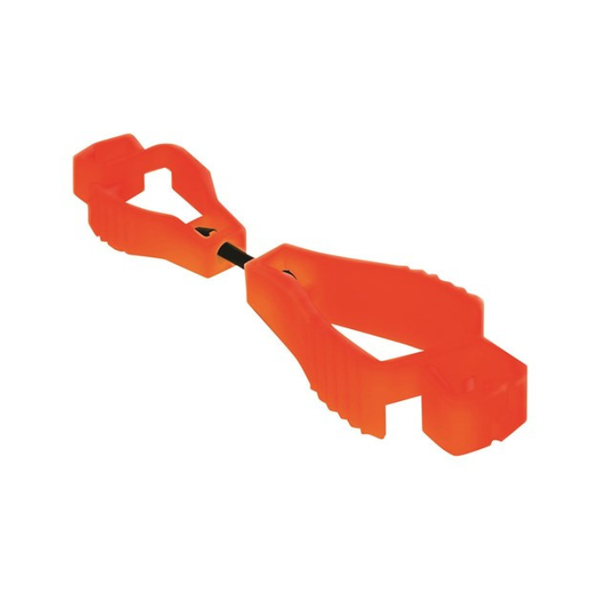 Choose optionsIron Link Distributors
Glove Clip Keeper with Breakaway Safety Link - Belt Clip Holder for Work Gloves
$3.67 -
-
 Choose options
-
 Choose options
-
 Choose options
Common questions
Which respirator or filter do I need for the job?
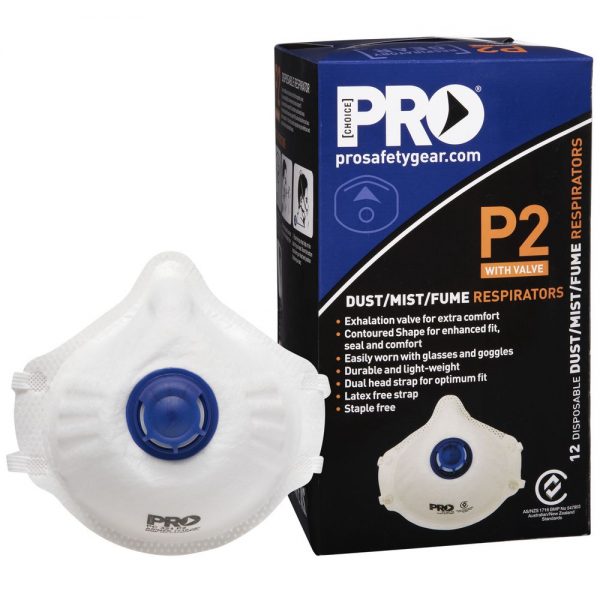
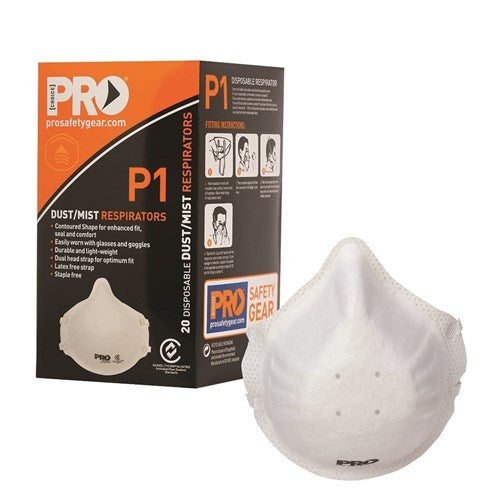
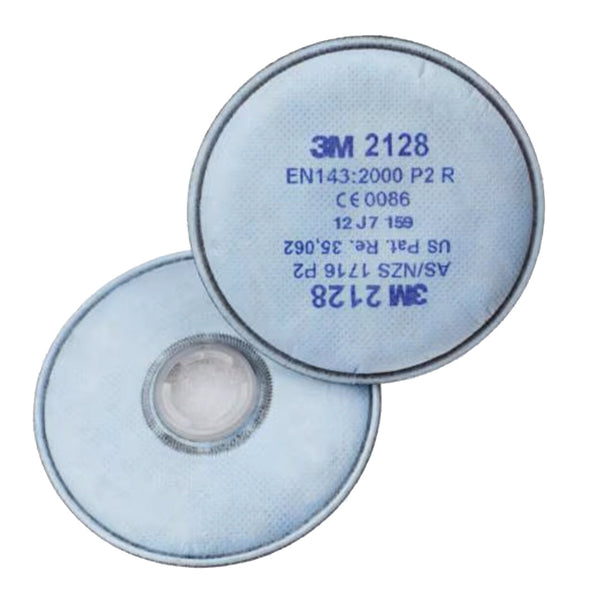
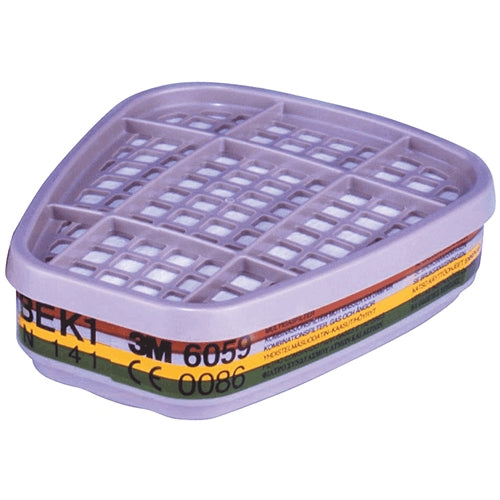
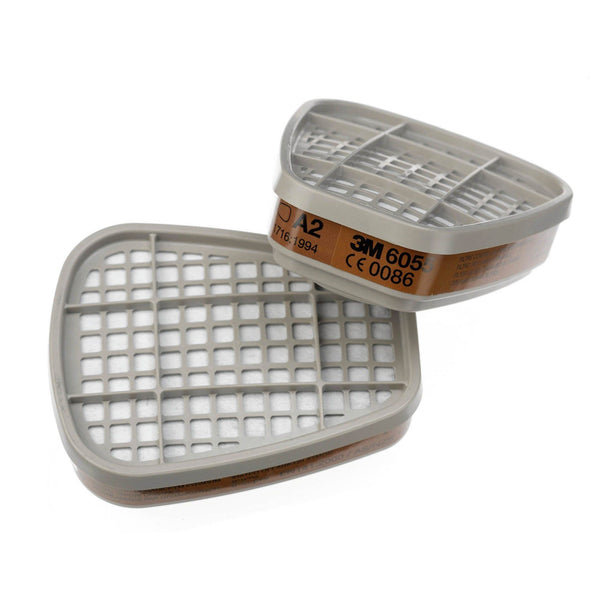
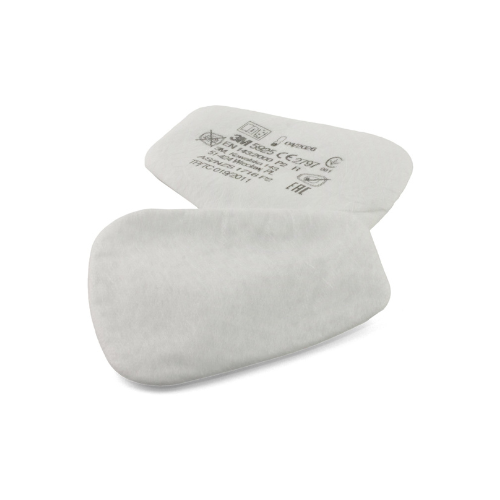
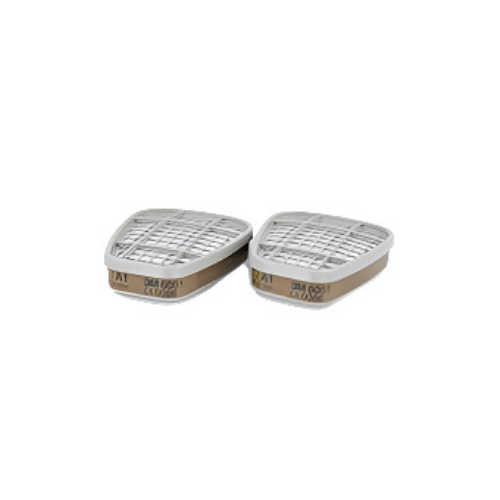
It depends on the hazard. Particulate filters (P1/P2/P3) protect against dusts and particles only — they do not protect against gases or solvent vapours. For paints, thinners, solvents and 2-pack, you need an organic-vapour cartridge (Type A, brown), often as a combination cartridge that also filters particles. As a rough guide: P1 for nuisance mechanical dust (wood, masonry), P2 for finer and thermally generated particles (metal fumes, welding, fibreglass), and organic-vapour or combination cartridges for spraying and chemical work. Match the filter to your specific hazard and always check the product's rating.
What do the P1, P2 and P3 ratings actually mean?
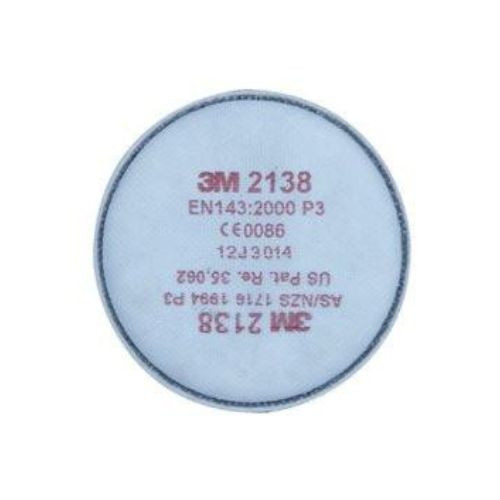
They're the AS/NZS 1716 particulate efficiency classes: P1 filters roughly 80% of fine particles, P2 about 94%, and P3 about 99.95%. P1 suits coarse mechanical dust, P2 covers finer and thermally generated particles (the most common trade choice), and P3 is for highly toxic particles. Important: a P3 rating can only be achieved with a full-face respirator — there is no P3 disposable or P3 half-mask in Australia; a P3 filter on a half-face mask only performs to P2. Ratings cover particles only, not gases or vapours.
Disposable vs reusable respirators — which should I use?
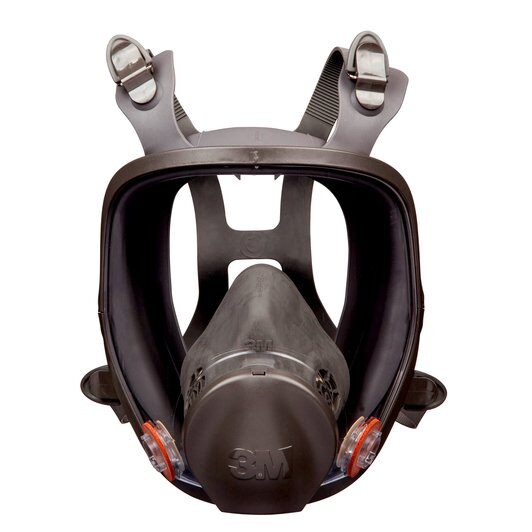
Disposable (filtering facepiece) respirators are convenient for occasional, lower-exposure dust tasks and reach P1 or P2. Reusable half-face respirators take replaceable particulate filters and gas/vapour cartridges — better for regular use, solvent and paint work, and lower long-term cost. Full-face respirators add eye protection and are required to achieve P3. Whichever you choose, a respirator only works if it seals — facial hair breaks the seal, and workplaces should fit-test.
How do I choose the right gloves for the hazard?
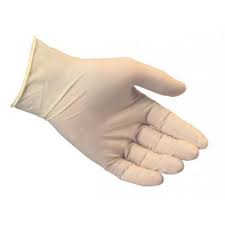
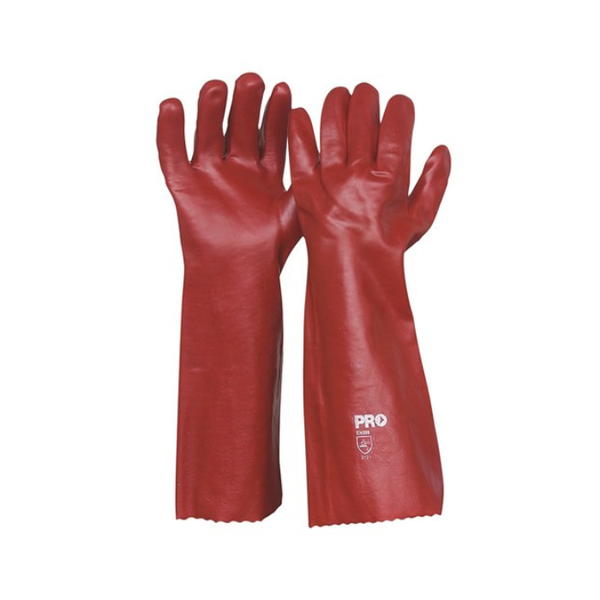
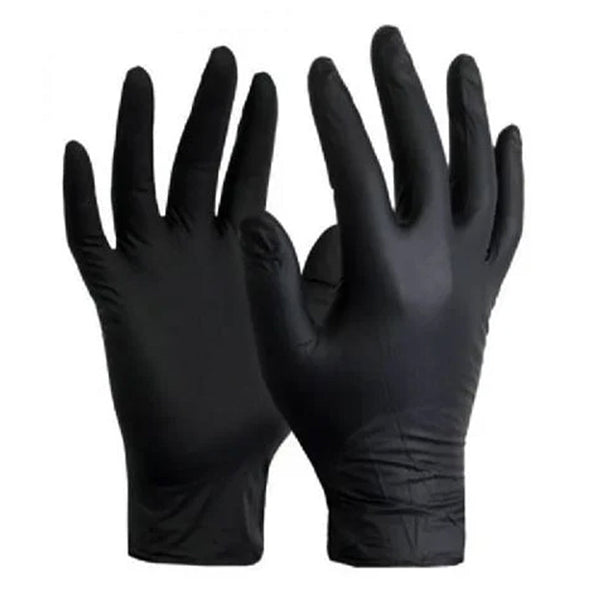
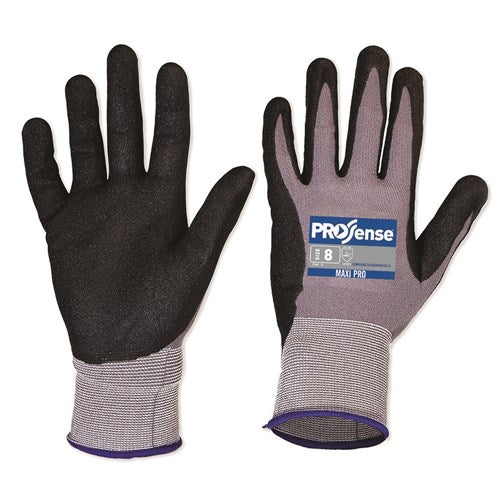
Match the glove to the specific risk. For mechanical hazards (abrasion, cuts, punctures), look at the EN 388 / AS/NZS 2161 rating — higher numbers mean more protection, and cut levels run 1–5 (or A–F). For chemical handling, mechanical ratings don't apply — you need a chemical-resistant glove matched to that specific chemical (solid nitrile, neoprene, etc.), since no one material resists everything and the wrong choice can let chemicals pass straight through. Disposable nitrile suits light handling and clean-up; leather/rigger gloves for general site and abrasion. One safety rule: never wear gloves near rotating machinery like drills or lathes — they can drag your hand in.