Choose options
SHOP BY CATEGORY
Tools and accessories
Application tools, rollers, measuring and cutting gear for coating and bonding work.
Common questions
Which caulking or sealant gun do I need?
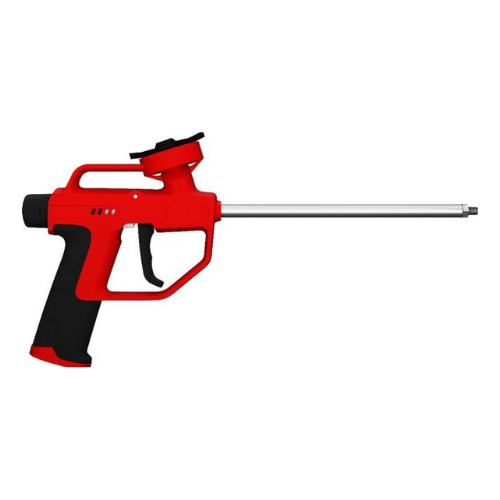
Match the gun to the cartridge and the product. Skeleton (open-frame) guns are the cheapest and fine for occasional or softer cartridges. Sausage guns take foil sausage packs — less waste and better for high-volume work. For stiff, high-modulus adhesives and sealants (PU, SMX, anchoring), choose a gun with a high thrust ratio — a higher ratio (e.g. 12:1 or more) drives stiff product with less hand effort and is worth it for all-day use. For PU expanding foam, use a dedicated foam applicator gun (with cleaner). Dripless/anti-drip guns reduce mess on long jobs.
How do I choose the right roller nap (sleeve)?
Nap length is matched to surface texture: short nap (about 1/4 inch / 5mm) for smooth surfaces (doors, metal, fine render, finished concrete); medium nap (about 3/8–1/2 inch / 10–13mm) for lightly textured walls; long nap (about 3/4 inch+ / 20mm+) for rough or textured surfaces (stucco, render, masonry) so it reaches into the texture. On material: synthetic sleeves (nylon/polyester) for water-based paints, natural fibre (mohair/lambswool) for oil-based and a finer finish. For 2-pack and solvent-based coatings, use a solvent-resistant sleeve — cheap foam can break down in strong solvents.
Natural vs synthetic brushes — which should I use?
It's driven by the paint type. Use synthetic bristles (nylon/polyester) for water-based (acrylic/latex) paints — they hold their shape and don't go limp when wet. Use natural bristle (China/hog) for oil-based paints, enamels, stains and varnishes — the bristles flag (split) for smoother flow and levelling, but they soften in water-based products so don't use them there. A good-quality angled sash brush is the go-to for cutting in trim and corners. Match bristle to paint chemistry, and clean with the right solvent (water for synthetic/latex, mineral turps for natural/oil).
What do I need to mix and measure 2-pack products accurately?
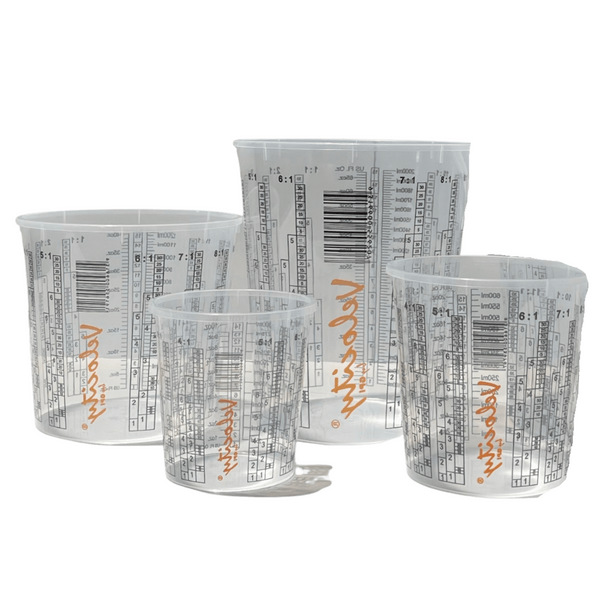
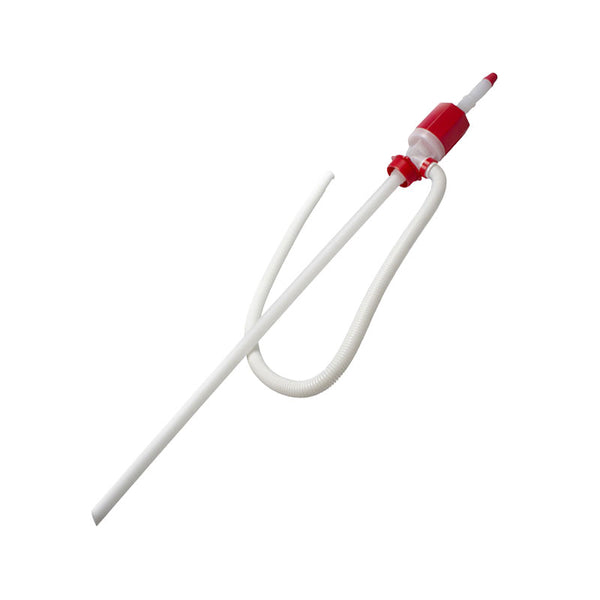
Two-pack and catalysed products only perform if the ratio is right, so measure — don't eyeball. Use graduated/calibrated mixing cups for volume ratios, or accurate scales for weight ratios (check whether the product specifies by volume or by weight — they're not interchangeable). Resin/hardener pump sets give a consistent shot-for-shot ratio for frequent use. Mix thoroughly, including scraping the sides, and respect the pot life — once catalysed you have a limited working window before it kicks. Disposable cups, mixing sticks and (for catalysts) a dedicated dispenser keep ratios clean and repeatable.