
 Choose options
FIBREGLASS GUIDE
Fibreglass Laminating Guide
Fibreglass laminating is the process of building composite materials by layering reinforcement fibres with liquid resin. The resin saturates the fibres and cures into a rigid matrix that binds the layers together. Done correctly, a laminate can provide structural strength, impact, chemical and moisture resistance — though final performance depends on the materials, technique and design used. Here is the hand lay-up process, the most common method.
What you'll need
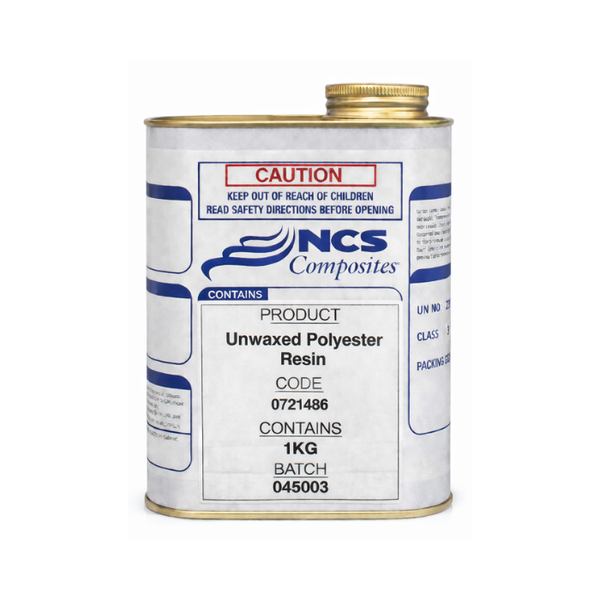
- Fibreglass resin (polyester, epoxy or vinyl ester)
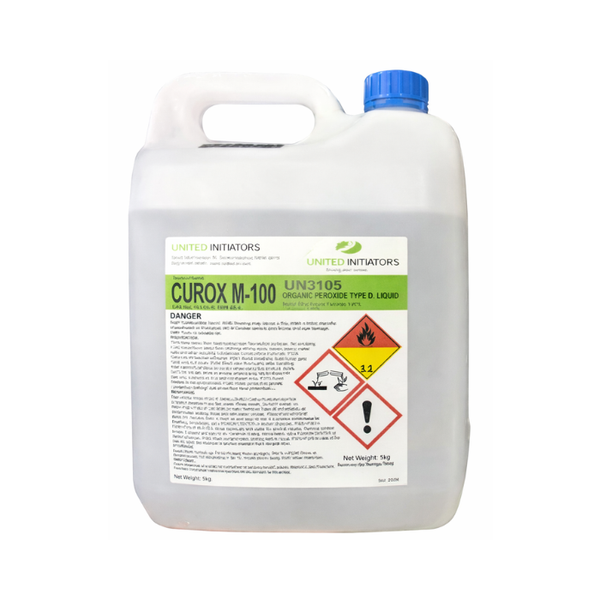
- Catalyst or hardener to suit your resin
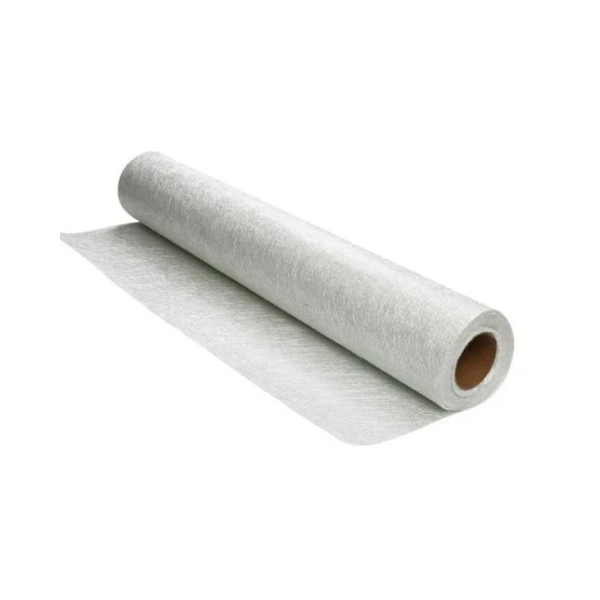
- Reinforcement — chopped strand mat or woven cloth
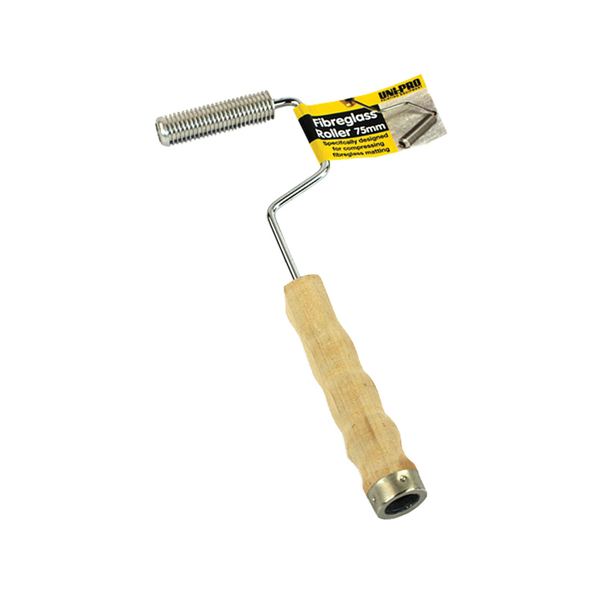
- Laminating roller and brushes
- Mixing cups, stir sticks and gloves
- Acetone for clean-up
The laminating process
1
Prepare the surface
Sand back to clean, sound substrate and remove all contamination. Poor or contaminated surfaces prevent proper bonding and cause delamination.
2
Cut your reinforcement
Pre-cut mat or cloth to size before you mix — once resin is catalysed, your working time is limited.
3
Mix resin and catalyst
Measure the ratio specified in the resin manufacturer's Technical Data Sheet. Temperature and resin volume affect cure — warmer and larger volumes cure faster. MEKP is a hazardous organic peroxide; handle strictly per its SDS.
4
Wet out the reinforcement
Apply resin and fully saturate the fibres. Under-saturation (resin starvation) weakens the bond between layers.
5
Consolidate and remove air
Work the laminate with a roller to drive out trapped air. Air entrapment reduces laminate strength.
6
Build up your layers
Add reinforcement layers while the previous coat is still tacky, so they bond chemically without sanding between coats.
7
Apply a finishing coat and cure
For a hard, sandable final surface, use a waxed or surfacing resin (polyester is air-inhibited and stays tacky otherwise). Allow full cure per the TDS before sanding, loading or finishing.
Pro tip
Roll each layer until the reinforcement turns translucent — white patches mean dry spots and a weak bond.
Other laminating methods
Hand lay-up
Resin applied manually by brush or roller. The most common method — ideal for boat repair, automotive and small-scale composite work.
Vacuum bagging
A vacuum compresses the layers, improving the fibre-to-resin ratio for stronger, lighter laminates.
Resin infusion
Resin is drawn through dry reinforcement by vacuum for consistent distribution and minimal air entrapment. Used in advanced composite production.
Common problems to avoid
Air entrapment — uneven resin distribution traps bubbles and weakens the laminate.
Resin starvation — under-saturated fibres bond poorly and can fail.
Incorrect catalyst ratio — too much generates excess heat; too little leaves it under-cured. Always follow the TDS.
Poor surface prep — contaminated surfaces cause delamination.
Safety
Fibreglass laminating uses reactive chemicals and reinforcing fibres. Use appropriate PPE, ensure adequate ventilation, and always follow the manufacturer's safety guidance in the product SDS before use.
SHOP THE GUIDE
Shop the guide
Disclaimer: This guide is general information only. Always follow the product manufacturer’s Technical Data Sheet (TDS) and Safety Data Sheet (SDS), and seek qualified professional or engineering advice for structural, load-bearing or safety-critical applications.