
 Choose options
SHOP BY CATEGORY
Adhesives and sealants
Sealants, construction adhesives, epoxies and tapes for bonding and sealing across the trades.
Shop by type
Silicone sealants
Neutral and acetic cure silicones
PU and MS polymer
Flexible sealant adhesives
Construction adhesives
High-grab building adhesives
Contact adhesives
Spray and brush contact bonding
Epoxy adhesives
Structural two-part epoxies
Gap fillers
Caulks for trims and joints
Tapes
Masking, double-sided and specialty
-
 Choose options
-
 Choose options
-
 Choose options
-
 Choose options
-
 Choose options
-
-
 Choose options
-
 Choose options
-
-
-
-
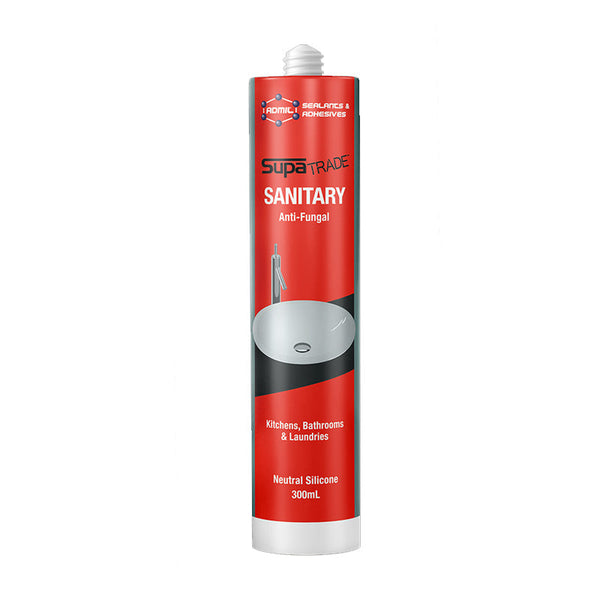 Choose optionsAdmil Adhesives
Admil SupaTrade Sanitary Neutral Silicone 300ml - Mould Resistant Bathroom Sealant
$6.73 -
-
-
 Choose optionsIron Link Distributors
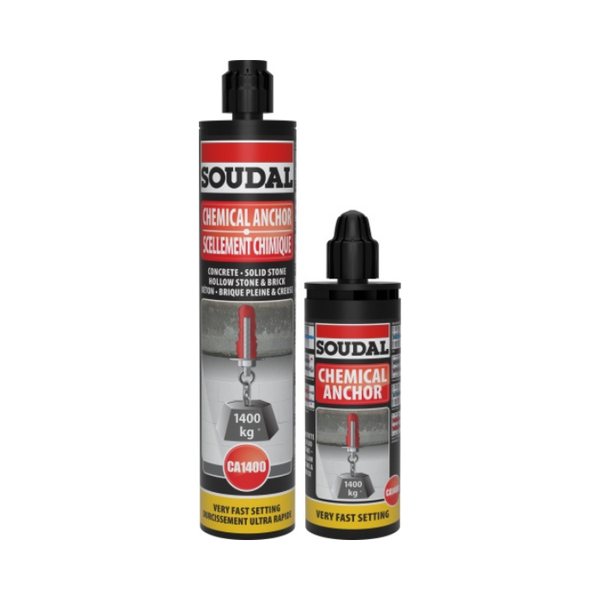
Soudafix CA1400 Anchoring Resin - Two-Component Concrete Anchor Adhesive
From$26.04 -
 Choose options
-
 Choose options
-
-
 Choose options
-
 Choose options
-
-
 Choose options
-
 Choose options
-
-
 Choose options
-
-
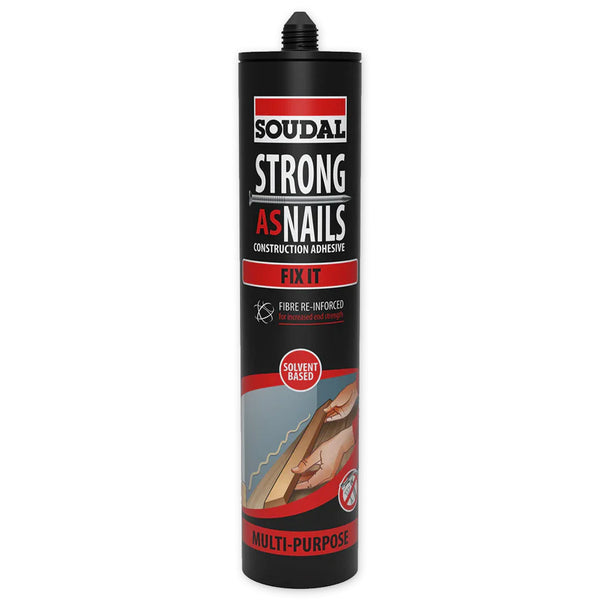 Choose options
-
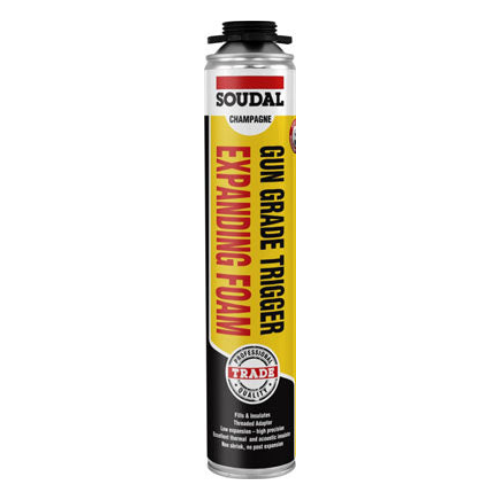 Choose options
-
 Choose options
-
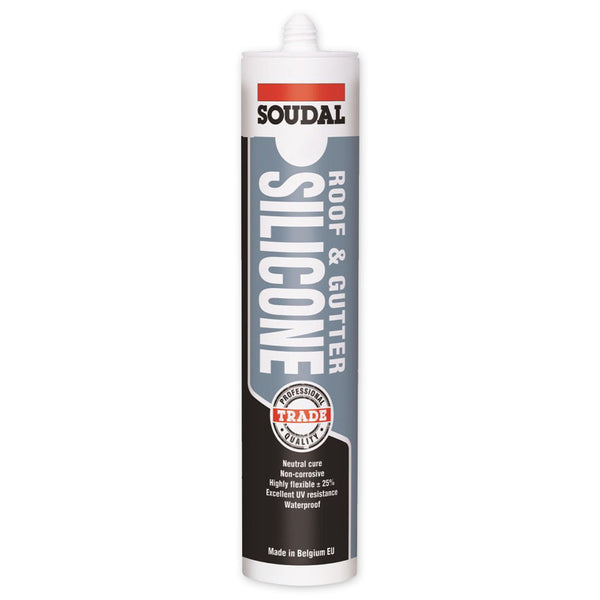
-
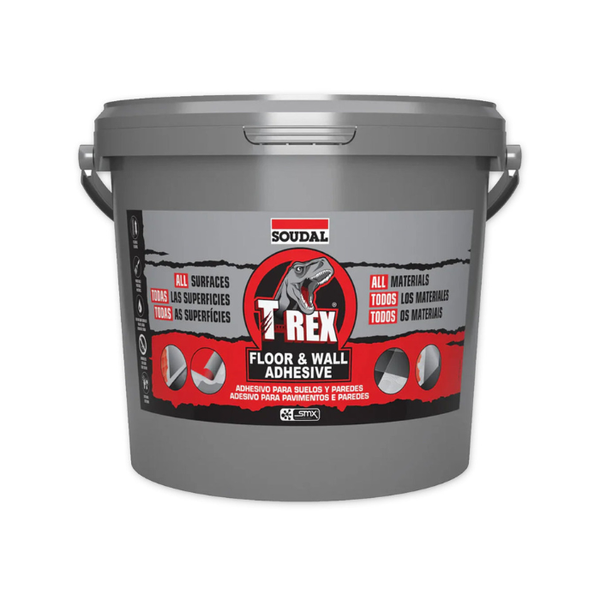
-
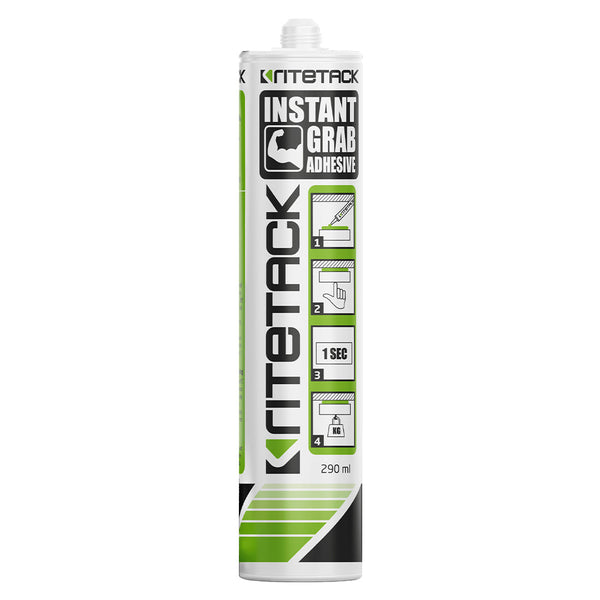 Choose options
-
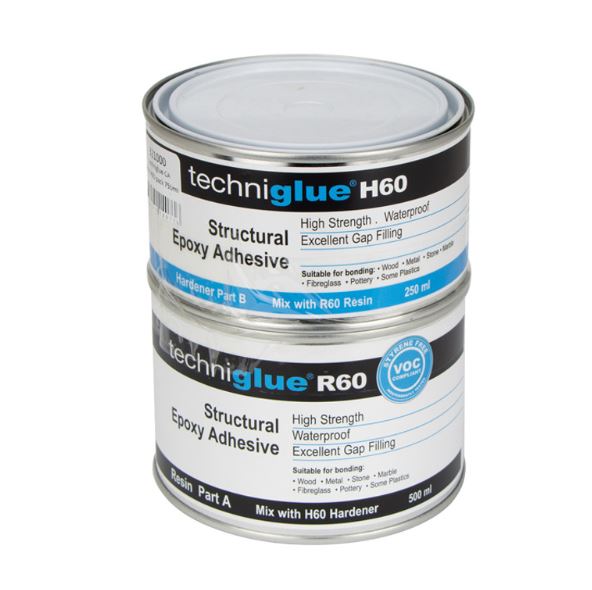 Choose options


Common questions
What's the difference between silicone, polyurethane and MS-polymer sealants?
Silicone gives the best flexibility and water, UV and temperature resistance, so it's the pick for glazing, sanitary and wet areas — but it can't be painted. Polyurethane gives a strong, paintable, abrasion-resistant elastic bond for movement joints, though it cures slower and should be over-coated for long-term UV exposure. MS-polymer (hybrid) is the all-rounder: paintable, UV-stable, bonds to most substrates including damp, usually without a primer, and is isocyanate-free — which is why it's the go-to for most modern construction bonding and sealing.
Which adhesive or sealant should I use for which surface?
As a rule of thumb, MS-polymer hybrids bond well to most common substrates — timber, metal, masonry, glass and many plastics — and tolerate damp surfaces, making them the safest all-round choice. Use neutral-cure silicone for glass and sanitary work, polyurethane for flexible movement joints on concrete and metal, and a construction adhesive for fixing panels, trims and cladding. For load-bearing fixings into concrete, brick or masonry, use a chemical anchoring resin rather than an adhesive. Always bond to clean, sound, dust-free surfaces, and check the product's data sheet for any substrate-specific priming.
How long do adhesives and sealants take to cure?
Skin time (when the surface skins over and is touch-dry) depends on the chemistry: silicone and MS-polymer typically skin in about 10–30 minutes, while polyurethane is slower at roughly 2–4 hours. Full cure is final strength all the way through. Moisture-curing sealants (silicone and MS-polymer) cure from the outside in at roughly 2–3 mm per 24 hours, so a deeper joint takes proportionally longer — a 6 mm bead can need 2–3 days, and polyurethane can take up to about a week. Warm, humid conditions speed curing; cold or dry conditions slow it. Don't paint, load or disturb a joint until it's cured — always check the product's data sheet for exact figures.
Which products are paintable, and which suit wet areas or outdoors?
MS-polymer and most polyurethanes can be over-painted (test your paint's adhesion first); standard silicones cannot. For wet areas like bathrooms and kitchens, use a neutral-cure, mould-resistant sanitary silicone or an MS-polymer rated for wet use. For permanently wet or submerged joints, use a product specifically rated for immersion — silicone is the long-standing standard, and MS-polymer may need a primer. For outdoor and UV exposure, silicone and MS-polymer hold up well, while polyurethane performs structurally but should be over-coated for long-term UV to prevent chalking. Check each product page for its specific paintability and exposure ratings.