
SHOP BY CATEGORY
Chemical and solvents
Solvents, thinners, cleaners and prep chemicals for thinning, cleanup and surface preparation.
-
-
-
 Choose options
-
-
 Choose options
-
 Choose options
-
-
 Choose options
-
 Choose options
-
 Choose options
-
-
 Choose options
-
 Choose options
-
 Choose options
-
 Choose options
-
 Choose options
-
 Choose options
-
 Choose options
-
 Choose options
-
 Choose options
-

-
 Choose options
-
 Choose options
-
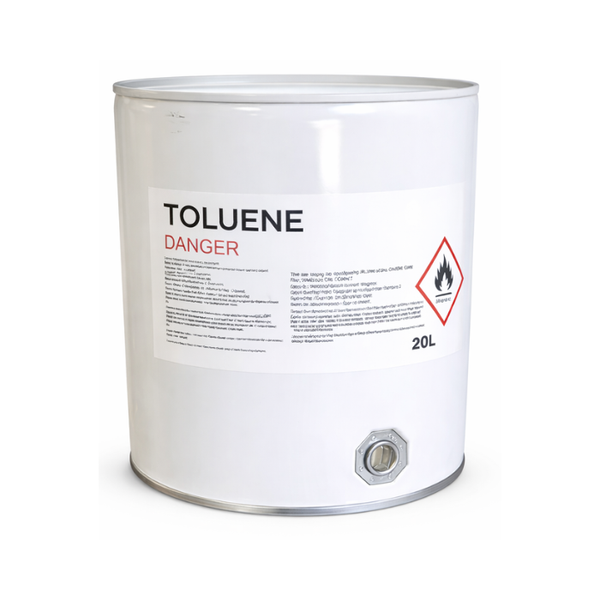 Choose optionsIron Link Distributors
Toluene (Methylbenzene) - High-Strength Solvent, Paint Thinner & Industrial Degreaser
$154.07 -
 Choose options
-
 Choose options
-
 Choose optionsIron Link Distributors
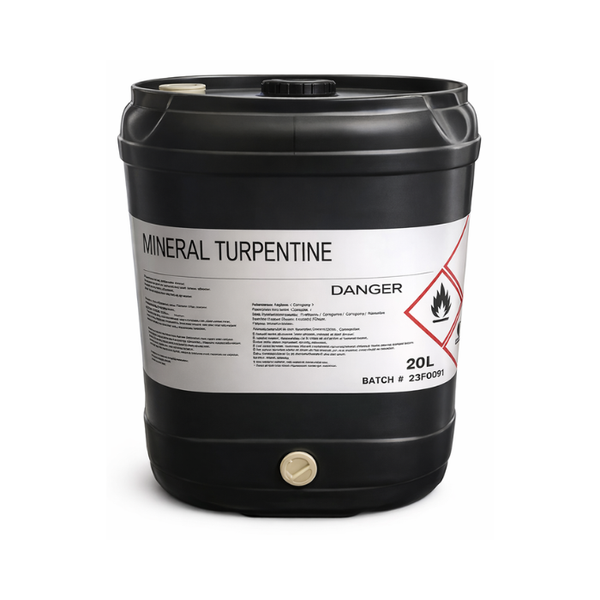
Mineral Turpentine 20L - Low Aromatic Paint Thinner & Cleaning Solvent
$119.46 -
 Choose options
-
 Choose options
-
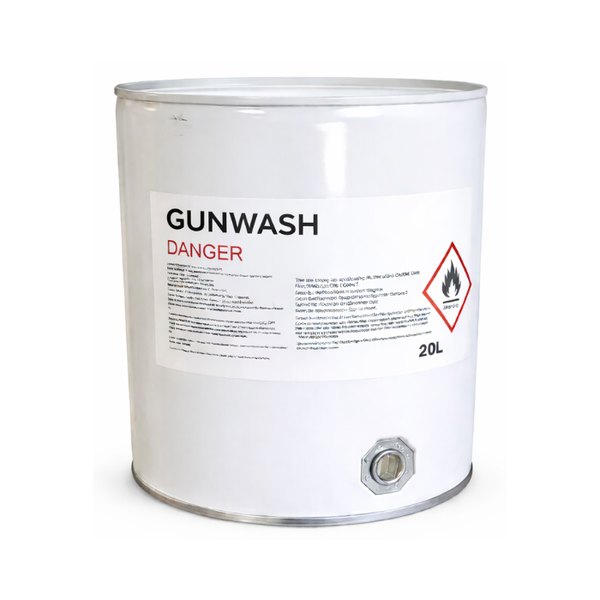 Choose optionsIron Link Distributors
Gunwash 20L - Professional Spray Gun Cleaner & Paint Equipment Solvent
$134.78

Common questions
Which solvent should I use for which job?
It depends on the job and the surface. As a rough trade guide: mineral turps for cleaning oil-based paint off brushes, tools and general degreasing (leaves a slight residue, so not ideal as a final pre-paint wipe); wax & grease remover / prepsol for cleaning a surface before painting or bonding; acetone for fast-evaporating clean-up, removing uncured resin or adhesive, and surface prep (it flashes off clean); MEK as a stronger version of acetone for polyester resin and gelcoat work; xylene for thinning and cleaning where a slower, stronger aromatic solvent is needed; isopropyl alcohol (IPA) for lighter cleaning and removing residues. Always check the product or paint's data sheet for the recommended thinner — using the wrong one can ruin a finish.
What's the difference between the common solvents?
Broadly, they trade off strength, evaporation speed and aggressiveness. IPA is the gentlest — light cleaning, fast-drying, leaves no residue. Acetone evaporates very fast and is a strong, clean-flashing solvent that's lower in toxicity than the aromatics. MEK is similar to acetone but stronger and slower, good for tougher resins and coatings. Xylene and toluene are aromatic solvents — stronger again, slower-evaporating, with higher health risk and stronger odour. Mineral turps is a slower, milder petroleum solvent ideal for oil-based paint clean-up and degreasing. Stronger and faster isn't always better — match it to the task and the surface.
How do I store and handle solvents safely?
Most of these are Class 3 Flammable Liquids and must be treated as dangerous goods. Use them in a well-ventilated area away from any ignition source (no smoking, no grinding, welding or sparks nearby), keep containers closed and correctly labelled, clean up spills immediately (vapours travel and can flash back to an ignition source), and wear the PPE the product calls for — solvent-resistant gloves and, for spraying or poor ventilation, an organic-vapour respirator. In the workplace, storage and handling are governed by AS 1940, and quantities above thresholds may require a flammables cabinet and placarding. Always read each product's Safety Data Sheet — it lists that product's specific hazards, exposure limits and storage requirements.
Will a solvent damage the surface I'm using it on?
It can — the aggressive solvents are the ones to watch. Xylene, toluene and MEK can soften or damage many plastics and lift or strip existing paint and clear coats, so they're great for tool and equipment clean-up but risky on finished or plastic surfaces. Acetone is mildly aggressive and can also damage some surfaces. Mineral turps and IPA are gentler and safer on most surfaces. Whatever you're using, test on a small hidden area first, and check the surface or coating manufacturer's guidance before wiping a strong solvent across it.