
 Choose options
FIBREGLASS GUIDE
Fibreglass Resin Guide
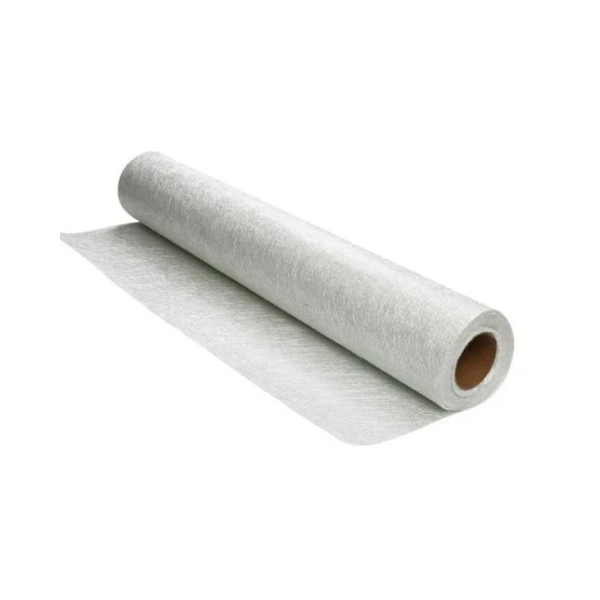
Fibreglass resin is the binding material that, combined with reinforcement like cloth or chopped strand mat, cures into a strong composite laminate. Different resin systems suit different jobs — marine repair, mouldmaking, fabrication, structural reinforcement — and choosing the right one is essential for proper bonding and durability. Here are the three main types and where each fits.
What is fibreglass resin?
A liquid polymer that cures into a solid when mixed with a catalyst or hardener. During laminating it saturates the reinforcement, binding the fibres into a rigid composite. Once cured it can provide structural strength, chemical and moisture resistance, and adhesion between layers — depending on the materials and technique used.
The three resin systems
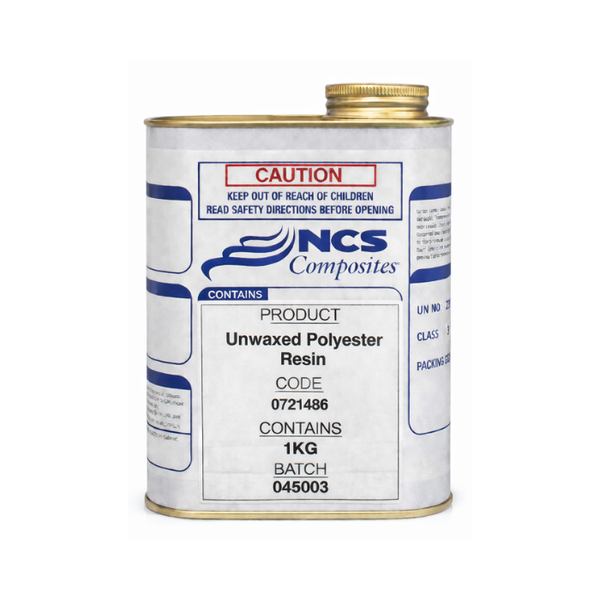
Polyester resin
The most common and affordable. Used for general laminating, boat repairs, mould production and automotive panels. Catalysed with MEKP. Good mechanical strength and fast cure for standard work.
Epoxy resin
Significantly stronger adhesion and better moisture resistance than polyester. Used for structural repairs, below-waterline marine, carbon-fibre laminates and high-strength bonding. A two-part resin and hardener system — longer cure, precise mixing required.
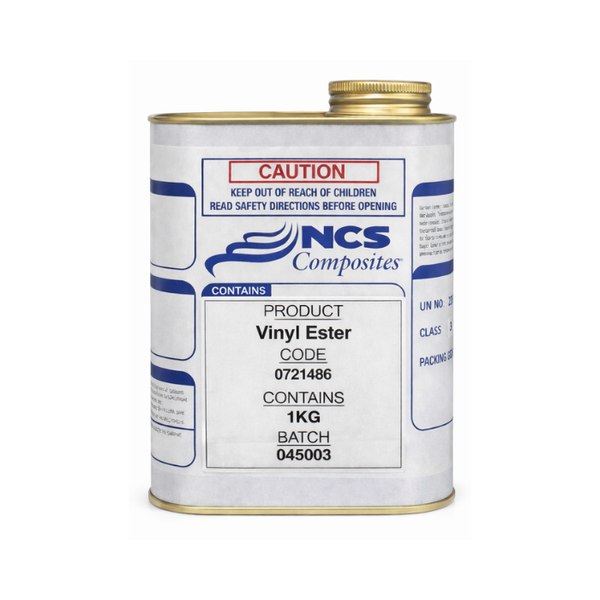
Vinyl ester resin
A middle ground — better chemical resistance, durability and strength than polyester without going to full epoxy. Used in marine construction, chemical-resistant tanks and demanding structural laminates.
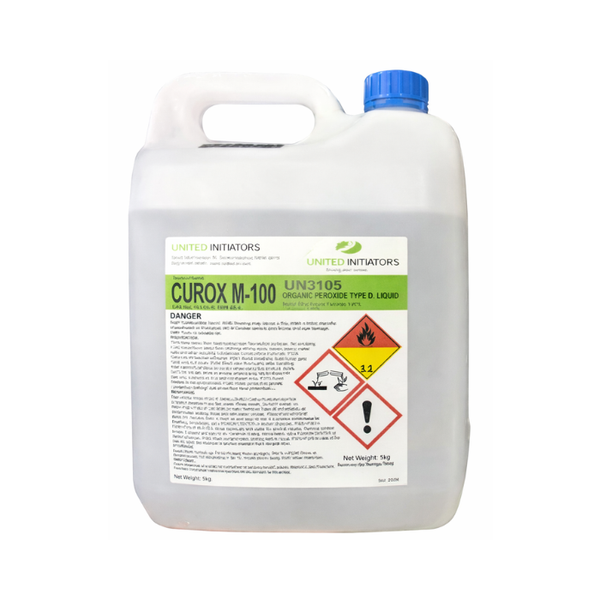
Catalysts and hardeners
Polyester and vinyl ester use MEKP catalyst, mixed in small ratios that control cure speed (temperature and resin volume also affect it). Epoxy uses a two-part resin and hardener mixed in a precise ratio. Correct ratios are essential to avoid incomplete cure or laminate failure — always follow the resin manufacturer's Technical Data Sheet. MEKP is a hazardous organic peroxide; handle strictly per its SDS.
Choosing the right resin
- Strength and bonding requirements
- Exposure to moisture or chemicals
- Temperature conditions during cure
- Compatibility with your reinforcement materials
Safety
Use appropriate PPE, work in a well-ventilated area, and always follow the product Safety Data Sheet before use.
SHOP THE GUIDE
Shop the guide
Disclaimer: This guide is general information only. Always follow the product manufacturer’s Technical Data Sheet (TDS) and Safety Data Sheet (SDS), and seek qualified professional or engineering advice for structural, load-bearing or safety-critical applications.