
 Choose options
FIBREGLASS GUIDE
Vinyl Ester Resin Guide
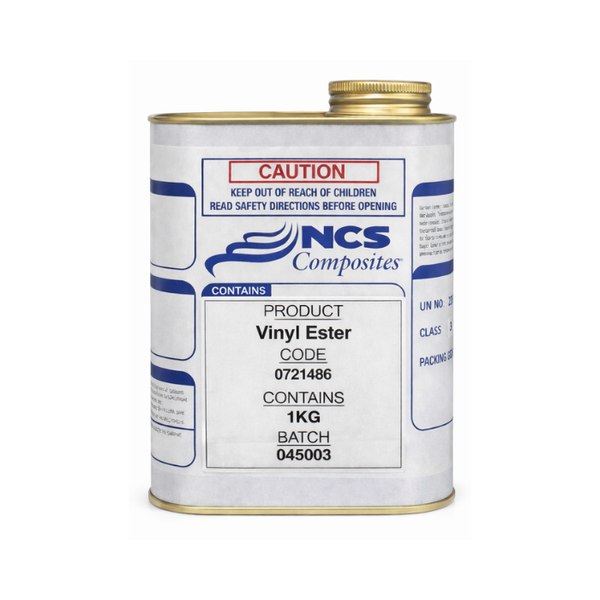
Vinyl ester is a high-performance composite resin for marine construction, chemical tanks, structural composites and corrosion-resistant work. It combines many benefits of polyester and epoxy — strong mechanical properties, improved water resistance, excellent chemical durability — and is often chosen when greater strength and moisture resistance are needed than standard polyester provides.
Why vinyl ester resin is used
Improved water resistance
Excellent resistance to moisture and hydrolysis, making it ideal for marine and underwater environments.
Higher strength
Greater tensile strength and improved impact resistance than polyester resin.
Superior chemical resistance
Performs well in corrosive environments — used in tanks, pipes and chemical processing equipment.
Reduced risk of osmosis
Commonly used as a barrier coat to help prevent osmotic blistering in fibreglass hulls.
Good processing characteristics
Handles similarly to polyester, so it works with most standard composite manufacturing methods.
Vinyl ester vs polyester
Polyester is chosen for general fibreglass work where cost efficiency matters. Vinyl ester is preferred when you need greater strength, water resistance or chemical durability. In many marine and structural builds, vinyl ester is used for the first laminate layers as a barrier, with polyester behind it to manage cost.
Common applications
- Marine boat hulls and structural components
- Composite sandwich panels
- Chemical storage tanks and pipes
- Fibreglass reinforcement laminates
- Corrosion-resistant industrial structures
How it cures
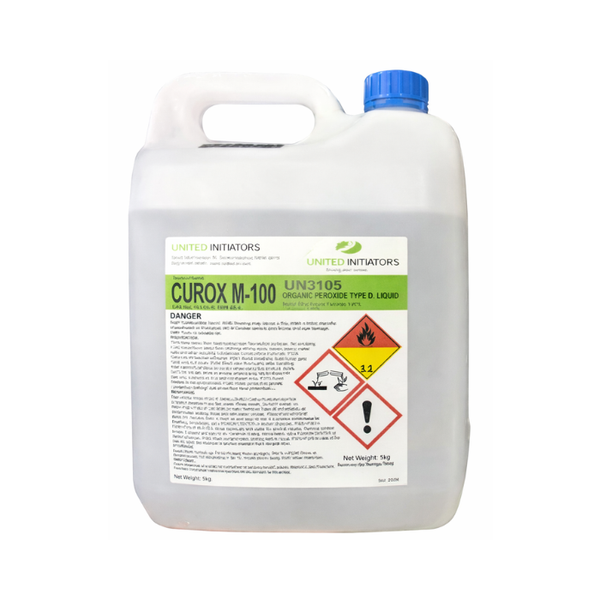
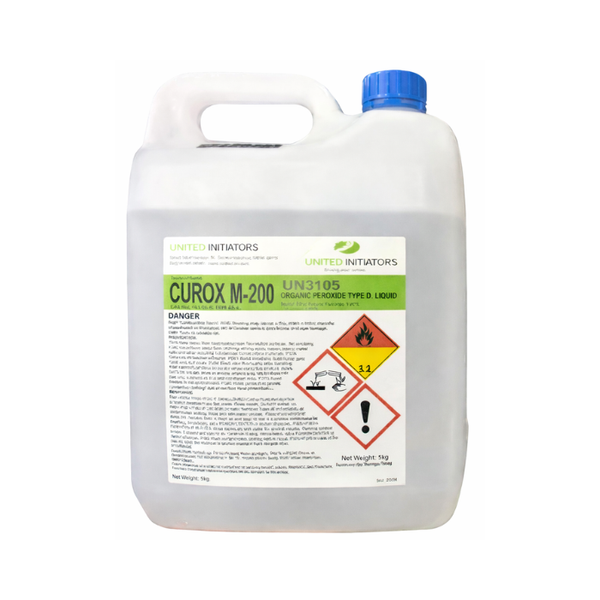
Catalysed with MEKP; once mixed it polymerises into a rigid thermoset that cannot be remelted. Cure speed depends on temperature, catalyst ratio, formulation and laminate thickness — always follow the ratio in the manufacturer's Technical Data Sheet. MEKP is a hazardous organic peroxide; handle strictly per its SDS.
Working with vinyl ester
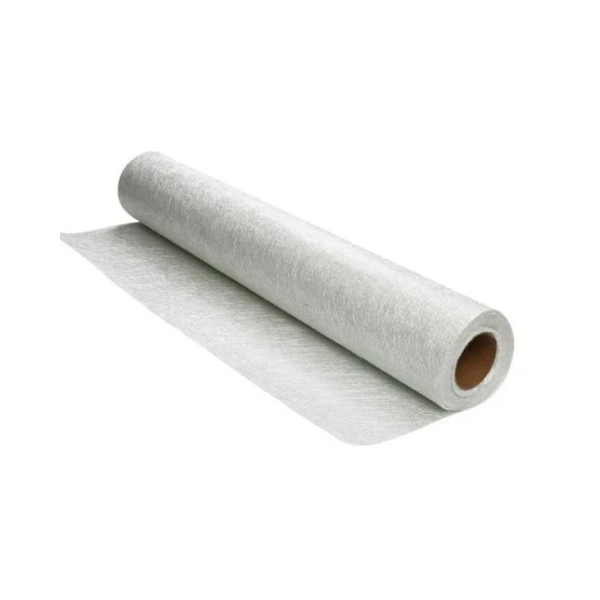
Compatible with chopped strand mat, woven roving, biaxial cloth and stitched fabrics, and used in hand lay-up, vacuum bagging, resin infusion and spray-up. Correct catalyst ratios and mixing are essential for reliable cure.
When to choose vinyl ester
- Higher durability than polyester resin
- Improved moisture resistance
- Greater structural performance
- Better chemical resistance
Safety
Work in a well-ventilated area, wear chemical-resistant gloves and eye protection, and avoid inhaling vapours or sanding dust. Always consult the product Safety Data Sheet before use.
SHOP THE GUIDE
Shop the guide
Disclaimer: This guide is general information only. Always follow the product manufacturer’s Technical Data Sheet (TDS) and Safety Data Sheet (SDS), and seek qualified professional or engineering advice for structural, load-bearing or safety-critical applications.