
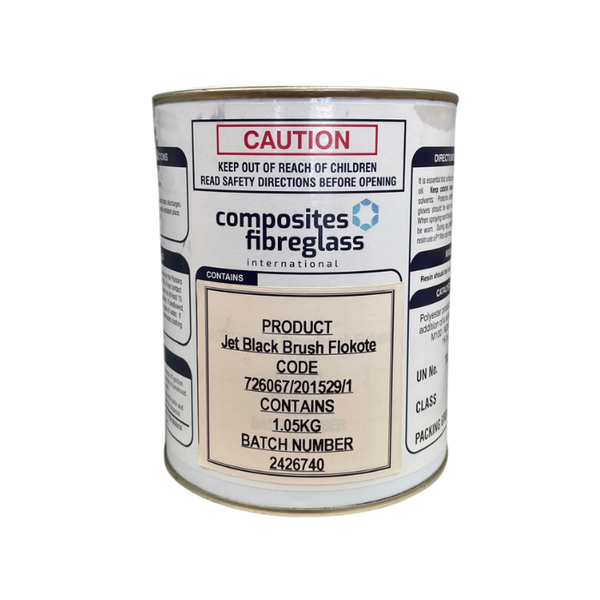
 Choose options
FIBREGLASS GUIDE
Gelcoat and Flowcoat Guide
Gelcoat and flowcoat are specialised resin coatings that create durable, protective outer surfaces on fibreglass — boats, moulded parts, panels and composite components. They're closely related but serve different purposes, and knowing which to use ensures the right finish and long-term performance.
Gelcoat vs flowcoat
Gelcoat
- A pigmented resin coating applied inside a mould before the laminate
- Becomes the smooth, glossy outer surface when the part cures and releases
- Provides surface protection, UV resistance, water resistance and a cosmetic finish
- Remains slightly tacky if exposed to air during cure (used in a mould, so that's expected)
Flowcoat
- Essentially gelcoat with wax added
- The wax rises during cure to seal out oxygen, so it fully hardens tack-free in open air
- Used for repairs, internal surfaces and finishing where no mould is involved — bilges, interiors, finishing coats
- Can be sanded, polished or left as a durable protective coat
When to use each
Use gelcoat when moulding fibreglass parts that need a smooth cosmetic exterior. Use flowcoat for repairs or any finishing coat outside a mould where you need a fully cured, hard surface.
How they relate
Flowcoat is often just gelcoat mixed with a surface curing agent (wax additive) — so a gelcoat can be converted to a flowcoat for finishing work.
How they cure
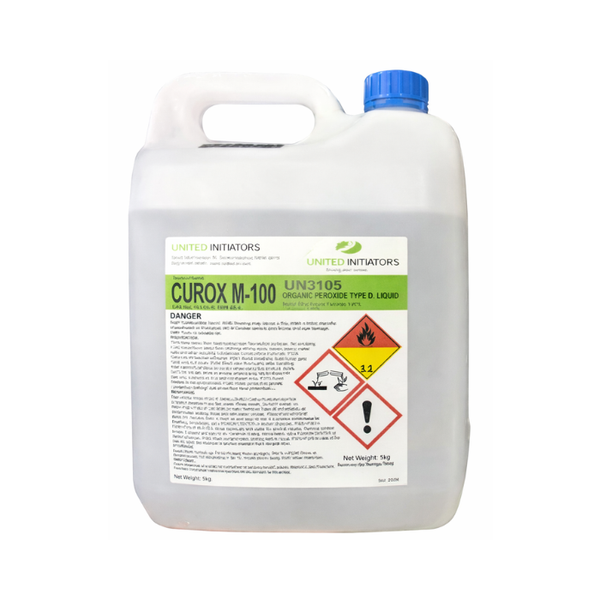
Both cure by adding a catalyst, usually MEKP. Once mixed, the resin polymerises into a durable thermoset. Cure time depends on temperature, catalyst ratio, coating thickness and conditions — always follow the manufacturer's Technical Data Sheet. MEKP is a hazardous organic peroxide; handle strictly per its SDS.
Applying gelcoat and flowcoat
Apply by brush, roller or spray. For a good result:
- Correct catalyst ratio
- Thorough mixing
- Adequate ventilation
- Proper surface preparation
Safety
Work in a well-ventilated area, wear gloves and eye protection, and avoid inhaling vapours or sanding dust. Always refer to the product Safety Data Sheet.
SHOP THE GUIDE
Shop the guide
Disclaimer: This guide is general information only. Always follow the product manufacturer’s Technical Data Sheet (TDS) and Safety Data Sheet (SDS), and seek qualified professional or engineering advice for structural, load-bearing or safety-critical applications.