
 Choose options
FIBREGLASS GUIDE
Polyester Resin Guide
Polyester resin is one of the most widely used materials in fibreglass and composite work — boat repairs, mouldmaking, automotive parts and composite laminates. You'll encounter two main types, and knowing which to use is the difference between a strong laminate and a poor finish: waxed and unwaxed.
What is polyester resin?
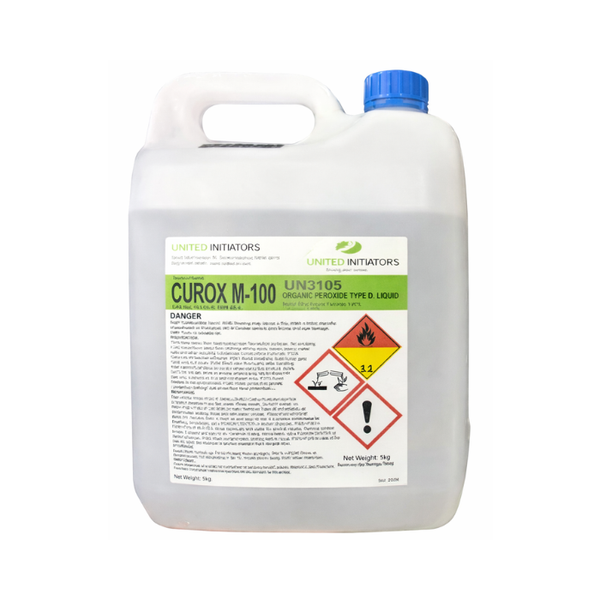
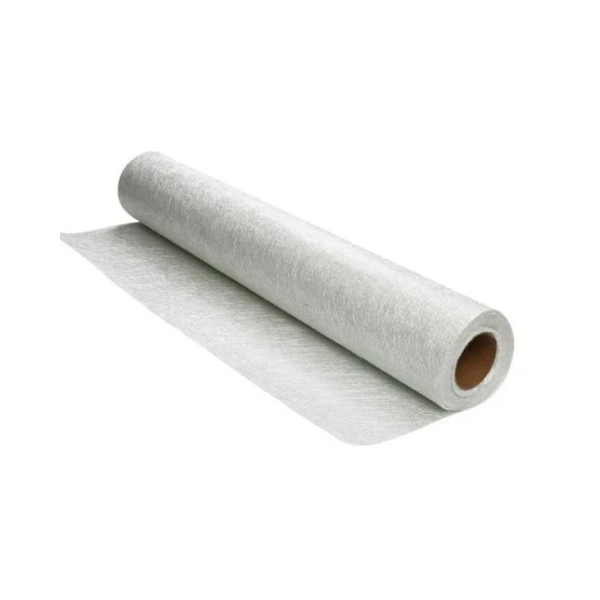
A thermosetting resin that binds reinforcement (mat, cloth, roving) into a rigid composite. Mixed with a catalyst — typically MEKP — it polymerises and cures into a hard solid that forms the structural matrix. It's popular because it offers strong mechanical properties, good adhesion to fibreglass, relatively low cost and easy hand lay-up processing.
Waxed vs unwaxed
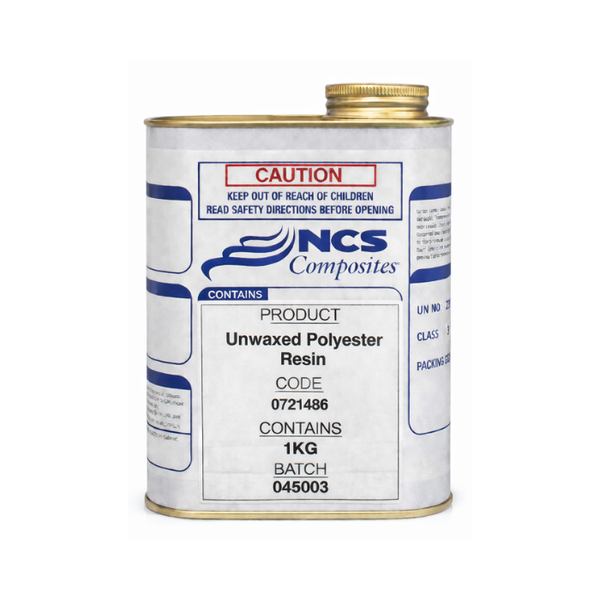
Unwaxed (laminating resin)
- Stays slightly tacky after curing — polyester is air-inhibited, so oxygen stops the surface fully hardening
- That tack lets additional layers bond chemically, without sanding between coats
- Use for laminating, building composite layers, multi-layer repairs and structural layups
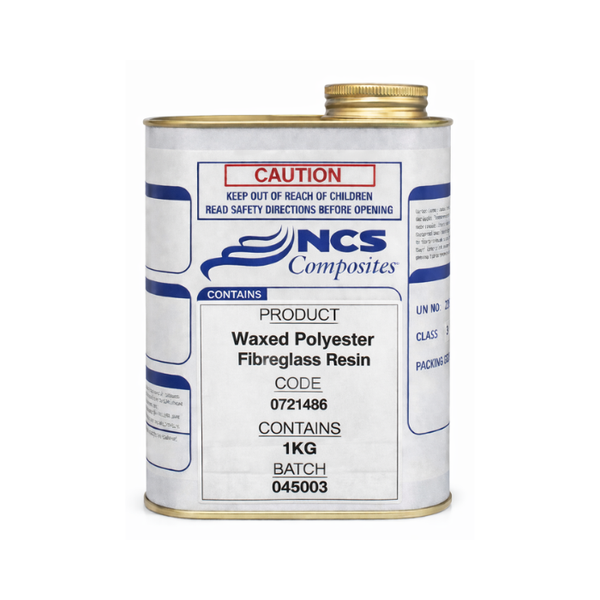
Waxed (finishing resin)
- Contains paraffin wax that rises to the surface during cure, sealing out oxygen for a hard, tack-free, sandable finish
- Use for the final laminate coat, surface finishing, and moulded parts that need sanding or polishing
- Must be sanded before any further bonding — nothing bonds reliably over a waxed surface
When to use each
Use unwaxed for laminating your reinforcement layers. Use waxed for the final finishing coat where a fully cured, sandable surface is required.
The one-resin trick
You can add a surfacing agent (wax solution) to unwaxed resin to turn the final coat into a hard finish — so you only need one resin on hand. But once wax is in the mix, additional fibreglass layers won't bond unless you sand the surface first.
How it cures
Once catalysed with MEKP, polyester resin polymerises into a permanent thermoset — it can't be remelted. Cure speed depends on catalyst ratio, temperature, resin thickness and conditions, so always follow the ratio in the resin manufacturer's Technical Data Sheet. MEKP is a hazardous organic peroxide — handle strictly per its SDS.
Safety
Work in a well-ventilated area, wear chemical-resistant gloves and eye protection, and avoid inhaling vapours or sanding dust. Always consult the product Safety Data Sheet before use.
SHOP THE GUIDE
Shop the guide
Disclaimer: This guide is general information only. Always follow the product manufacturer’s Technical Data Sheet (TDS) and Safety Data Sheet (SDS), and seek qualified professional or engineering advice for structural, load-bearing or safety-critical applications.