
 Choose options
FIBREGLASS GUIDE
Fibreglass Materials Guide Australia
Most fibreglass projects combine several materials working together — a resin system, reinforcement, catalysts, fillers and, for moulding, release agents. Each plays a specific role in the finished composite. This guide explains the core materials used in fibreglass manufacturing and repair, so you can choose the right products for your application.
What is fibreglass?
A composite made by combining glass-fibre reinforcement with a liquid resin that cures into a rigid structure. When the resin hardens it binds the fibres into a strong, lightweight material. It's used in marine construction, automotive panels, moulded industrial components, waterproofing and structural repair, and tanks and pipes. Performance depends heavily on the resin and reinforcement chosen.
Resin systems
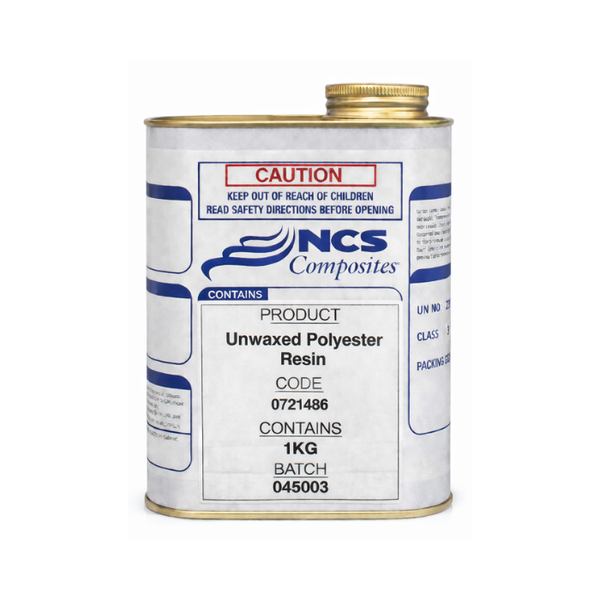
Polyester resin
The most widely used — affordable and fast-curing. General laminating, boat repairs, mould production and industrial components.
Epoxy resin
Superior adhesion, strength and moisture resistance. Structural repairs, marine applications and high-performance composites.
Vinyl ester resin
The strength of epoxy with the processing of polyester — excellent chemical resistance and durability for marine and industrial work.
Reinforcement materials
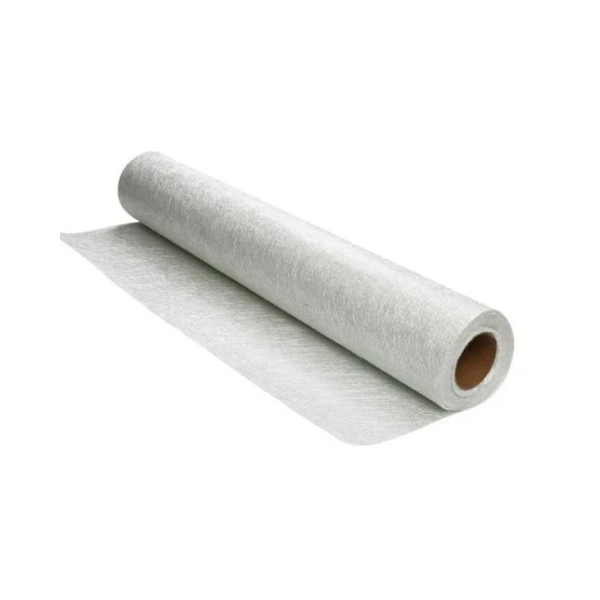
Chopped strand mat
Randomly distributed glass fibres bonded into a mat. General laminating, repairs and mould building.
Fibreglass cloth
Woven fibres for higher structural strength and smoother finishes — marine and automotive work.
Carbon fibre
Very high strength and stiffness while remaining lightweight — motorsport, aerospace and advanced composites.
Kevlar
Excellent impact resistance and toughness for high-stress applications.
Shop reinforcement materials →
Catalysts and curing agents
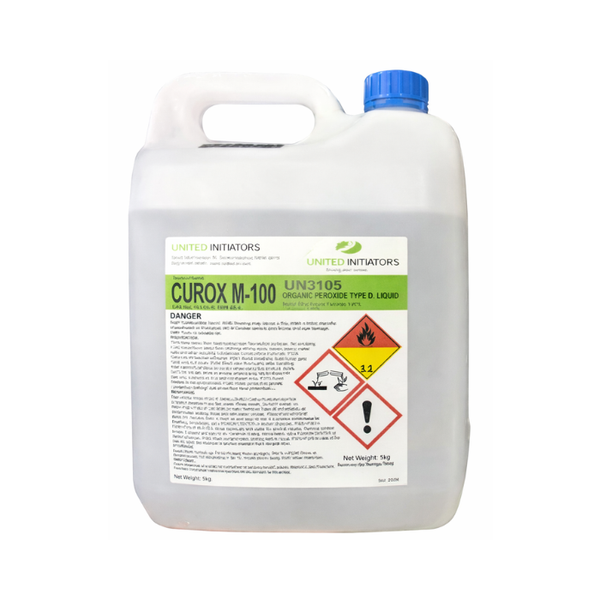
Polyester and vinyl ester resins use MEKP catalyst, mixed in small ratios to control cure speed — temperature, ratio and resin volume all influence it. Correct ratios are essential to avoid laminate defects, so always follow the resin manufacturer's Technical Data Sheet. MEKP is a hazardous organic peroxide; handle strictly per its SDS. Shop catalysts and hardeners →
Fillers and additives
Powders added to modify the resin — talc to thicken, microballoons for lightweight filling compounds, and silica to strengthen bonding mixtures. Used in structural repairs, surface fairing and adhesive bonding. Shop fillers and additives →
Release agents and mould preparation
When producing parts in moulds, release agents stop the composite bonding to the mould — mould-release wax, PVA release agent and semi-permanent coatings. Proper mould prep ensures clean release and protects the mould surface. Shop release agents and mould prep →
Choosing the right materials
- Resin type and cure speed
- Reinforcement strength requirements
- Chemical and moisture exposure
- Surface finish requirements
Using compatible materials ensures proper bonding and reliable long-term performance.
Related guides
Fibreglass Resin Guide — polyester, epoxy and vinyl ester systems compared.
Fibreglass Laminating Guide — the step-by-step hand lay-up process.
Polyester Resin Guide — waxed vs unwaxed explained.
Safety
Use appropriate PPE, work in a well-ventilated area, and follow each product's Safety Data Sheet before use.
SHOP THE GUIDE
Shop the guide
Disclaimer: This guide is general information only. Always follow the product manufacturer’s Technical Data Sheet (TDS) and Safety Data Sheet (SDS), and seek qualified professional or engineering advice for structural, load-bearing or safety-critical applications.